Aircraft get all the fame. The sleek wings, the huge engines, the shiny composite panels that look like something from the future. But the real story—the one people barely talk about—is buried inside the joints, the skins, the ribs, the frames. The fasteners. The small parts that nobody notices until something goes wrong.
Most folks forget that every bolt, screw, pin, nut, every tiny precision piece, is basically the backbone of the entire structure. And when you start digging into how these parts are made, it gets surprisingly technical fast. That’s where the world of aircraft fasteners manufacturers and every serious swiss machining center comes into play. These teams don’t get the spotlight, but they’re the reason planes stay together at 35,000 feet without rattling apart.
Why Fasteners Matter More Than Fancy Aerodynamics
Here’s the blunt truth. You can have the best aerodynamic design in the world, the perfect lift-to-drag ratio, the smoothest wing ever built—but if the fasteners fail, the whole thing becomes scrap metal real quick.
Aircraft fasteners are engineered like miniature superheroes. They handle vibration, thermal expansion, pressure changes, fatigue cycles, and a ridiculous amount of stress. That’s why the companies making them aren’t just “manufacturers.” They’re specialists operating with tolerances tighter than most people realize even exist.
And when you pair that with the capabilities of a swiss machining center? Now you’re talking about parts that come out looking almost too precise, too consistent, too clean. Nearly obsessive, but in this industry, obsession is survival.
Inside a Swiss Machining Center—Where Perfection Isn’t Optional
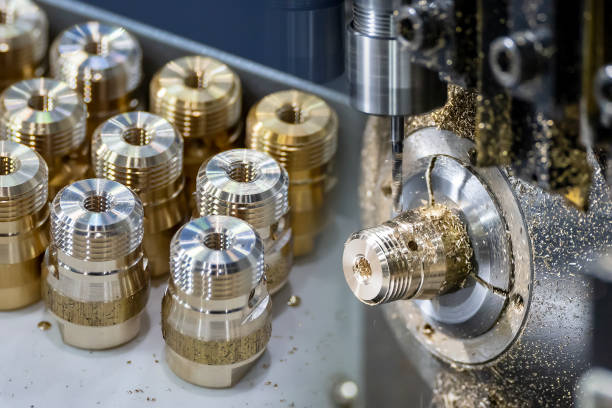
If you’ve never stepped into a swiss machining center, let me paint a picture. It’s not like a typical machine shop with big mills and lathes throwing chips everywhere. Swiss machines are… different.
They’re compact. Sleek. Almost surgical. They cut material with a sliding headstock that supports the workpiece right next to the tooling. So, there’s barely any vibration. Barely any deflection. And that’s the magic. The machine holds the part so close, so tight, the cutting tools can take micro-cuts that stay perfectly repeatable.
Aircraft fasteners manufacturers rely on these machines because a bolt that is a hair out of tolerance isn’t just “off.” It’s unacceptable. Unsafe. Out of the question.
How Precision Shapes the Future of Aircraft Fasteners
Let’s be honest. The aerospace industry is not lenient. The rules are strict, and the margins of error are thin enough they feel imaginary.
So when you’re machining a tiny titanium screw or a custom stainless steel fastener for a wing structure, every micron counts. Not “sort of” counts. Actually counts. That’s why so many suppliers have shifted heavily into Swiss machining—not because it’s trendy, but because it delivers consistency on a level older machining methods can’t really touch anymore.
Think of it like this: If you want a million parts, all identical, all flawless, all ready for flight approval… this is the way. That reliability builds trust between aerospace builders and their suppliers. And trust is currency in this business.
When Aerospace Meets Real-World Manufacturing Challenges
A lot of people assume manufacturing aerospace fasteners is just a matter of setting up the machines and pressing “go.” Wish it were that easy.
Raw material supply fluctuates. Titanium prices spike. Certifications pile up. Specs change mid-project. Tool wear happens faster than you’d think. And sometimes the customer needs the parts yesterday.
That’s when experience takes over. The good aircraft fasteners manufacturers don’t panic. They adjust. Reroute. Reprogram. Shift tolerances, verify, triple-verify. And the reliable swiss machining centers—the ones run by skilled operators, not just automated programs—respond with that same steady precision.
Real-world manufacturing isn’t perfect. But good teams know how to navigate the chaos and still deliver perfect parts.
The Sweet Spot Between Strength and Weight
Aircraft engineering is basically one long balancing act. Strong, but lightweight. Durable, but flexible. Hard, but not brittle. And fasteners sit right at the center of that whole push-and-pull.
You can’t just throw in a heavy bolt because it’s “strong.” That adds weight. A lot of weight if you think about the thousands used in assembly. But you also can’t choose a lighter material that gives out under load.
This is where Swiss machining shines—being able to manufacture complex geometries that optimize strength-to-weight ratios. Hollow-core fasteners, hybrid profiles, micro-features… all possible because Swiss machines handle the complexity without flinching.
Materials That Define the Aerospace Industry
When you’re making fasteners for regular consumer products, you have tons of material flexibility. Brass, mild steel, aluminum, whatever.
But aircraft fasteners are in another league. We’re talking titanium alloys, Inconel, high-temp stainless steel, specialty steels with names that sound more like sci-fi planets. These materials aren’t fun. They’re tough, expensive, temperamental.
And that’s why a swiss machining center designed to handle difficult materials is such a huge advantage. The machines need rigidity, cooling capability, heat control, tool monitoring—all while staying highly precise. Not every shop can do this consistently. The good ones can.
The Human Element—Operators Still Matter
People love talking about automation like it’s the end-all solution. Swiss machines are automated, yes. But the human behind them still matters. A lot.
Operators who know how to read the sound of a machine cutting. Who know when a tool “feels off.” Who can look at the chips and know the feed rate isn’t quite right. Those little instincts make the difference between perfect parts and scrap.
Aircraft fasteners manufacturers depend on these people. And the best machining centers are basically built around them—their skill, their judgement, their hands-on feel for metal.
Why Aerospace Customers Stick With Trusted Suppliers
In this industry, once a manufacturer proves they can hit tight tolerances, keep production on schedule, and pass every quality audit without drama—they become a long-term partner almost automatically.
Aerospace teams don’t want to hunt for new suppliers every six months. They want stability. Integrity. And parts that function exactly the same from batch to batch, year after year.
That’s why shops running advanced Swiss machining systems often rise to the top. They deliver longevity. Repeatability. No surprises. And aerospace customers love “no surprises.”
How Swiss Machining Helps Scale Production Smoothly
Scaling aerospace production isn’t simple. One month a customer needs 5,000 fasteners. The next month they want 150,000.
Swiss machining centers handle scale better than most machining setups because the machines are built for long, unattended runs. High-volume output with minimal deviation. And because the part comes off the machine basically finished—no additional turning, milling, grinding—it speeds up the entire workflow.
For fastener manufacturers, that’s a game-changer. Faster delivery, fewer bottlenecks, and a more predictable production schedule.
The Future—Automation, Better Materials, Smarter Machining
Where’s it all going? Honestly, faster than most people expect.
Swiss machining is getting more automated, more sensor-driven, more data-heavy—machines that adjust themselves mid-run, or flag a deviation before the operator even notices. Aircraft fasteners manufacturers are moving into tighter geometries, lighter alloys, and threaded features that once felt impossible to machine at scale.
But despite all the tech upgrades, the mission stays the same: Create fasteners that hold aircraft together with absolute reliability. No shortcuts. No “good enough.”
The industry evolves, but the expectations don’t.
Final Thoughts—and a Straightforward CTA
If you’re deep in aerospace manufacturing, you already know this: the fasteners matter just as much as the big parts. And the machining behind those fasteners is what makes everything else possible.
Swiss machining center delivers the consistency the industry leans on. And manufacturers with real experience—actual expertise, not just fancy equipment—are the ones who keep aircraft safe, strong, and airworthy.
If you’re looking for a partner who understands both worlds—fasteners and high-precision machining—reach out to Allied Technologies International, Inc and start the conversation.
FAQs
Why are aircraft fasteners so different from regular fasteners?
They handle extreme loads, temperature swings, pressure changes, vibration, and fatigue cycles. Regular hardware-store bolts don’t survive that environment. Aircraft fasteners manufacturers engineer these parts with aerospace-grade materials and tighter tolerances.
What makes a swiss machining center ideal for aerospace parts?
Swiss machines hold the material right next to the cutting tools, which eliminates deflection and increases accuracy. They’re perfect for complex, small-diameter fasteners and components that must stay consistent.
Which materials are commonly used for aerospace fasteners?
Titanium, Inconel, high-strength stainless steels, and specialty alloys built to handle heat, corrosion, and structural loads. These materials demand precise machining.
Can Swiss machining support high-volume aerospace production?
Yes. Swiss machining centers excel at long, consistent production runs, making them ideal for large orders of aircraft fasteners that must stay dimensionally stable.
What should buyers look for in an aircraft fasteners manufacturer?
Certifications, proven precision, material expertise, consistent quality testing, and the ability to scale production without sacrificing accuracy. Experience with Swiss machining is a major advantage.