
Choosing the right daycare is one of the most important decisions parents make in the early years of their child’s life. Today, daycare is no longer just a safe place where children stay while parents work. Modern daycare centres have evolved into structured learning environments that support emotional, social, cognitive, and physical development. With professionally trained educators, purpose-built facilities, and play-based learning models, daycare now plays a vital role in shaping a child’s future.
This comprehensive guide explores how daycare has evolved, what defines a high-quality daycare centre, how daycare supports child development, and what parents should consider when selecting the right daycare for their family. Whether you are a first-time parent or considering a change, understanding daycare options will help you make a confident and informed decision.
The Evolution of Daycare in Modern Society
The concept of daycare has transformed significantly over the past few decades. Previously, daycare was often viewed as basic supervision with limited educational value. Today, daycare is recognised as an essential foundation for early childhood education.
Research shows that the first five years of life are critical for brain development. Modern daycare centres are designed around this understanding, using play-based learning to stimulate curiosity, creativity, and problem-solving skills. Daycare educators now follow structured frameworks that align with early learning standards, ensuring children receive consistent, developmentally appropriate experiences.
This shift has elevated daycare from a necessity to an investment in a child’s long-term growth and success.
What Makes Modern Daycare Different?
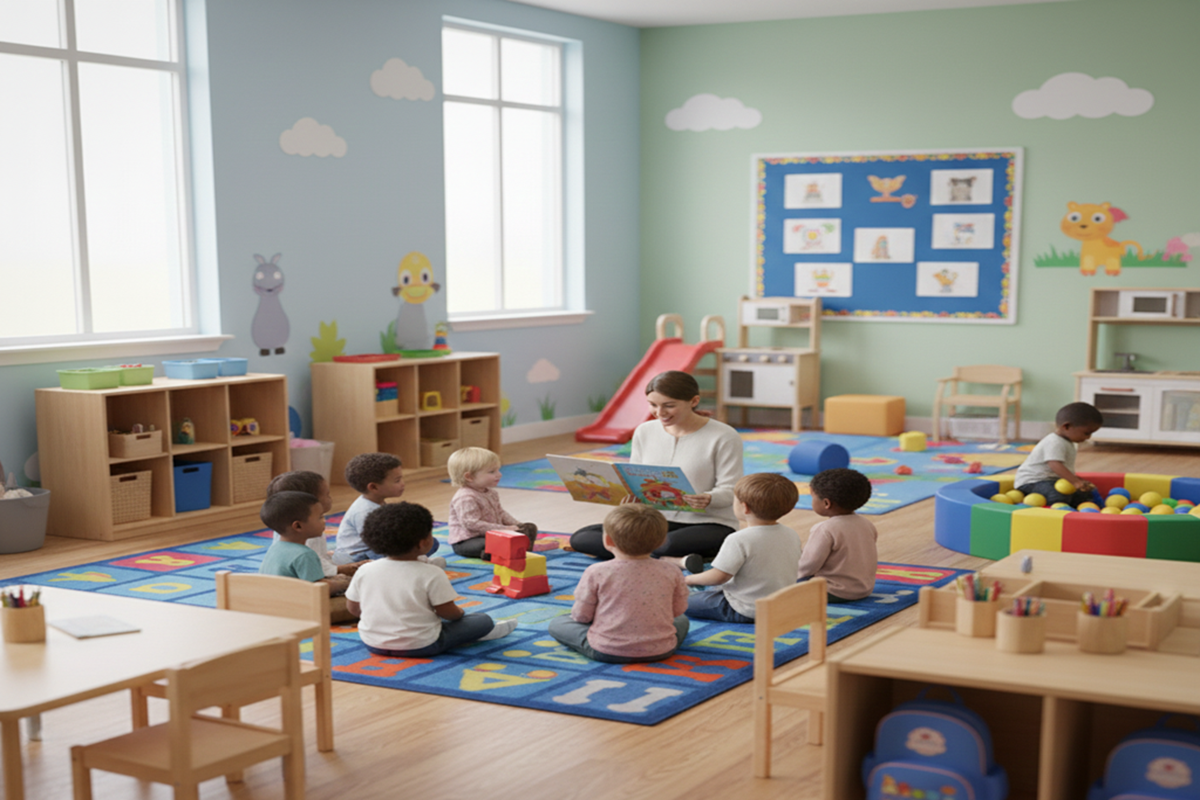
Walking into a contemporary daycare centre immediately highlights the difference. Bright, open spaces, age-appropriate learning zones, and thoughtfully designed outdoor areas replace the rigid layouts of older childcare models.
Modern daycare centres focus on:
- Child-led learning
- Safe exploration
- Emotional wellbeing
- Strong educator-child relationships
Educators in daycare settings are trained professionals who understand child psychology and development. Rather than managing large groups alone, daycare staff work as collaborative teams to ensure each child receives personalised attention.
Parental involvement is another key feature of modern daycare. Digital communication platforms, daily updates, and regular meetings ensure families stay connected to their child’s daycare experience.
How Daycare Balances Learning and Play
Play is the foundation of effective daycare education. Children naturally learn best through hands-on experiences, and daycare centres intentionally design activities that blend fun with learning.
For example:
- Building blocks teach problem-solving and maths concepts
- Storytime supports language development
- Art activities encourage creativity and fine motor skills
- Group games build teamwork and social awareness
In a quality daycare environment, learning never feels forced. Educators observe children’s interests and adapt activities accordingly, making daycare an exciting and engaging place where curiosity thrives.
Essential Features of a High-Quality Daycare
Purpose-Built Learning Spaces
Top-tier daycare centres feature designated areas for reading, creative play, sensory activities, and quiet time. These spaces help children transition smoothly between activities while feeling secure and supported.
Outdoor spaces are equally important. Many daycare facilities include gardens, climbing structures, sandpits, and water play areas that promote physical development and connection with nature.
Safety and Security in Daycare
Safety is a cornerstone of professional daycare. Modern daycare centres implement strict security measures such as controlled entry systems, visitor logs, and supervised play zones.
Hygiene protocols are also rigorous. Regular cleaning, sanitisation of toys, and illness policies help maintain a healthy daycare environment. Educators are trained in first aid and emergency response, giving parents peace of mind.
Choosing the Right Daycare for Your Child
Selecting the right daycare requires careful consideration of both practical and emotional factors.
Key aspects to evaluate include:
- Location and operating hours
- Educator qualifications and staff-to-child ratios
- Learning philosophy and curriculum
- Cleanliness and safety standards
- Communication with parents
When visiting a daycare, observe how educators interact with children. A quality daycare feels warm, welcoming, and calm, with engaged children and attentive staff.
Trust your instincts. If a daycare aligns with your family’s values and your child appears comfortable, it is likely a good fit.
A Typical Day at Daycare
A structured yet flexible routine defines a successful daycare day. Predictable schedules help children feel secure while allowing room for exploration.
A typical daycare day includes:
- Free play on arrival
- Group activities such as music or storytelling
- Learning sessions focused on literacy, numeracy, or creativity
- Outdoor play and physical activity
- Quiet time or rest periods
- Afternoon group play and reflection
This rhythm ensures children remain engaged without feeling overwhelmed, making daycare both enjoyable and productive.
How Daycare Supports Child Development
Social and Emotional Development
Daycare provides children with daily opportunities to interact with peers, teaching essential social skills such as sharing, cooperation, and empathy. Through guided play and group activities, children learn to express emotions, resolve conflicts, and build friendships.
Educators in daycare settings model positive behaviour and help children develop emotional regulation. This support builds confidence and resilience, preparing children for school and social environments beyond daycare.
Cognitive Development
Cognitive growth is a major focus of daycare programmes. Activities are designed to enhance thinking, reasoning, and language skills without academic pressure.
Children in daycare engage in:
- Problem-solving games
- Early literacy activities
- Creative storytelling
- Sensory exploration
These experiences strengthen neural connections and foster a love of learning that extends beyond the daycare years.
Physical Development
Daycare encourages both fine and gross motor development. Drawing, cutting, and building improve hand coordination, while climbing, running, and dancing strengthen balance and muscle control.
Many daycare centres also promote healthy habits through nutrition education, gardening activities, and active play, supporting overall wellbeing.
The Role of Technology in Modern Daycare
Technology plays a supportive role in modern daycare when used thoughtfully. Digital tools help educators document progress, plan activities, and communicate with parents.
Parents often receive daily updates through secure apps, including photos, learning notes, and reminders. This transparency strengthens the connection between home and daycare.
Importantly, technology never replaces hands-on learning. Instead, it enhances the daycare experience by supporting communication and engagement.
Addressing Common Daycare Concerns
Separation Anxiety
Separation anxiety is common when children begin daycare. Quality daycare centres use gradual transitions, familiar routines, and consistent caregivers to help children feel secure.
Most children adjust quickly, especially when daycare environments are nurturing and predictable.
Health and Hygiene
Illness exposure is a natural concern, but daycare centres follow strict health guidelines to minimise risks. While minor illnesses are common, they also help build strong immune systems over time.
Cost of Daycare
Daycare costs vary based on location, facilities, and services offered. While quality daycare requires investment, government subsidies often reduce expenses. Many families find the long-term benefits outweigh the cost.
Long-Term Benefits of Daycare
Children who attend quality daycare often demonstrate:
- Strong social skills
- Emotional confidence
- Improved school readiness
- Positive learning attitudes
Daycare provides structured exposure to learning, collaboration, and independence, giving children a strong foundation for future education.
Finding the Right Daycare Fit
The best daycare is not necessarily the largest or most expensive—it is the one that meets your child’s individual needs. Some children thrive in busy environments, while others prefer smaller, quieter daycare settings.
Take time to visit multiple daycare centres, ask questions, and observe interactions. A good daycare welcomes parent involvement and communicates openly.
Conclusion: Why Daycare Matters
Modern daycare is a powerful combination of care, education, and emotional support. It nurtures young minds during the most important developmental years while providing families with reliable, professional childcare solutions.
By choosing a high-quality daycare, parents invest in their child’s confidence, curiosity, and lifelong learning skills. With the right environment, dedicated educators, and thoughtful programmes, daycare becomes a place where children feel safe, valued, and excited to grow.


