Selecting the best equipment to power your electrical system is not an unplanned decision, even with regard to power transformers UK consumers rely upon to ensure consistent quality, safety, as well as long-term reliability. If you’re upgrading your facilities, expanding your operations or building a new location, the power transformer you choose will affect how effectively your system will run for years. An unwise choice could cause energy costs and unexpected breakdowns or expensive compliance problems, whereas when a transformer is properly matched, it becomes an unnoticed workhorse that will keep working.
Why Getting the Right Transformer Matters More Than You Think
Power transformers form the center of electricity distribution. They do more than just transfer power from one voltage to the next; they also protect devices, maintain loads and affect operating costs each day. In the UK, where regulations for grids and energy efficiency goals and safety requirements are especially rigorous, a transformer even a little off-balance can be a long-lasting issue. Voltage fluctuations, overheating and unneeded energy loss often are the result of inadequate initial choices instead of manufacturing flaws.
What Should You Consider Before Making a Decision?
When choosing a transformer it’s important to comprehend the real needs of your electrical system rather than making assumptions based on rough estimations. It is important to base your load requirements upon actual use patterns rather than merely the ratings printed on papers. The factory that is operating heavy equipment for short periods of time requires an entirely different set-up than a data center that is constantly generating a constant load. Environment conditions play an important crucial role. Transformers located close to the coastline as well as in industrial zones or in indoor areas with limited space require specialized insulation, cooling and safety features that the standard model is not able to provide.
These are the instances where conversations with skilled professionals, and transformer manufacturers UK engineers are often valuable and not just for marketing however for clarity in technical terms. Making the correct inquiries early can help avoid major design flaws in the future.
How Do UK Regulations Affect Transformer Selection?
Each transformer that operates within the UK is required to meet strict efficiency, safety as well as environmental standards. They’re not just formalities, they have a direct impact on costs for energy use and the lifecycle of a transformer. Modern regulations are geared towards reducing energy loss, which means that the latest designs tend to look different than older units running in older technology. By not adhering to these guidelines, you could lead to compliance issues in operations audits or inspections which can turn what was thought to be an expense-saving choice into a costly correction.
The choice of the power transformers UK customers rely on today typically means focusing on cores with low loss as well as efficient cooling systems as well as materials that comply with current standards for environmental and fire safety.
How Do You Match Transformer Design to Real-World Use?
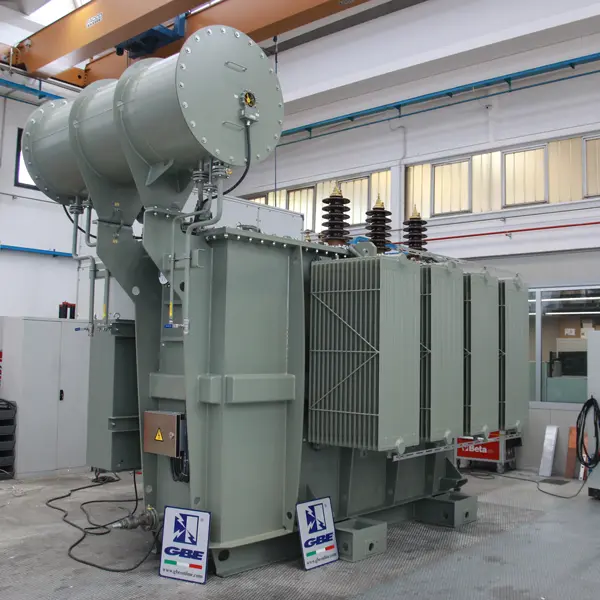
Different transformers may not be designed to serve the same purpose even if the power ratings of their counterparts are comparable. For instance, a transformer that is designed to be used in industrial production is usually equipped with strengthened insulation, a stronger mechanical structure and better capacity to handle load variations. In contrast commercial structures typically have quieter operations and small dimensions. Even factors like future expansion matter. The choice of a transformer that is able to be able to handle load increases of moderate magnitude will avoid unnecessary replacement.
Another reason why transformer manufacturers UK experts are often asked for their technical advice and design compatibility for projects in which spaces, noise or temperature regulation is one of the challenges.
What About Efficiency, Losses, and Long-Term Costs?
It’s easy to concentrate only upon upfront expenses, but transformers are in operation continuously, and often over a long period of time with no interruption. Small variations in efficiency could translate into huge energy savings over the course of time. Copper losses, core losses as well as the cooling performance determine how much energy is wasted in the form of heat. For a period of 10 years or more these losses may outstrip the initial cost by an astonishing amount. If you compare power transformers UK installation today the long-term cost of operation is often more important than the price on the label.
Is Maintenance and Accessibility Being Overlooked?
Transformers are generally placed in place with the intention that they’ll quietly function for many years, yet accessibility to maintenance is still a factor. The units that are placed in cramped spaces or in poorly ventilated enclosures typically have higher temperatures, which can accelerate the aging of insulation. Simple choices in design including removable panels, easily accessible inspection points as well as proper layouts for ventilation will significantly prolong the usable lifespan of your unit. Practical considerations like these are frequently neglected during the planning process, but are immediately apparent during the initial important inspection or defect.
Conclusion
The choice of the best power transformers UK projects count on is not merely the exercise of defining technical specifications. The choice you make can impact the safety of your project, its energy efficiency along with stability and the cost over time. When you understand the actual load requirements while adhering to regulatory standards in evaluating the design of a transformer with current usage and taking into consideration reliability and maintenance at the beginning, purchasers can avoid the most frequent mistakes that cause early failures. A thoughtful selection now allows the transformer to accomplish what it excels at in the future, perform quietly, effectively and with efficiency throughout the years to come.