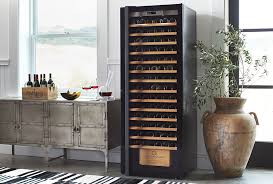
When we think about creating a comfortable home or a productive workspace, furniture plays a much bigger role than we often realize. It’s not just about filling empty rooms; it’s about shaping how we live, relax, work, and connect with others. From the sofa where families gather to the desk where ideas come to life, the right furniture can transform ordinary spaces into meaningful environments.
In today’s fast-moving world, Furniture has evolved beyond simple functionality. Modern designs combine comfort, durability, and style, allowing people to express their personality through their interiors. Whether you prefer a minimalist aesthetic, a classic wooden look, or contemporary modular designs, furniture choices reflect lifestyle preferences and daily needs.
The Evolution of Furniture Design
Furniture has come a long way from basic wooden stools and stone benches. Historically, furniture was crafted mainly for utility, but over time it became a symbol of culture, status, and innovation. Ancient civilizations like Egypt and Rome introduced ornate designs, while the industrial revolution made furniture more accessible to the masses.
Today, furniture design blends traditional craftsmanship with modern technology. Computer-aided design (CAD), sustainable materials, and mass customization allow manufacturers to create pieces that are both beautiful and affordable. This evolution ensures that consumers can find furniture that fits their space, budget, and taste without compromise.
Types of Furniture for Every Space
1. Home Furniture
Home furniture includes sofas, beds, dining tables, wardrobes, coffee tables, and storage units. These pieces are designed to provide comfort while enhancing the overall look of living spaces. Multi-functional furniture, such as sofa beds or storage ottomans, has become especially popular in urban homes where space is limited.
2. Office Furniture
Office furniture focuses on productivity and ergonomics. Chairs with proper lumbar support, adjustable desks, and smart storage solutions help create a healthier and more efficient work environment. With remote work on the rise, home office furniture has also seen increased demand.
3. Outdoor Furniture
Outdoor furniture is designed to withstand weather conditions while offering comfort. Patio chairs, garden tables, loungers, and swings add functionality and style to outdoor areas like balconies, gardens, and terraces.
Materials Used in Furniture Manufacturing
Furniture quality largely depends on the materials used. Common materials include:
-
Wood: Solid wood furniture is durable, timeless, and visually appealing. Popular options include oak, teak, pine, and walnut.
-
Metal: Metal furniture is strong, modern, and often used in industrial or minimalist designs.
-
Glass: Glass furniture adds elegance and makes small spaces appear larger.
-
Engineered Wood: MDF and plywood are cost-effective alternatives that offer consistency and design flexibility.
-
Upholstery Fabrics: Leather, linen, velvet, and synthetic fabrics affect both comfort and aesthetics.
Choosing the right material ensures longevity and easy maintenance.
Why Furniture Matters More Than Ever
Furniture impacts physical comfort and mental well-being. Poorly designed furniture can lead to back pain, fatigue, and reduced productivity. On the other hand, well-designed furniture improves posture, supports relaxation, and enhances mood.
In interior design, furniture acts as the foundation. Wall colors, lighting, and décor elements revolve around furniture placement and style. That’s why investing in quality furniture is not an expense—it’s a long-term investment in comfort and quality of life.
Sustainable and Eco-Friendly Furniture Trends
Sustainability has become a major focus in the furniture industry. Consumers are increasingly looking for eco-friendly options made from recycled materials, responsibly sourced wood, and non-toxic finishes. Sustainable furniture not only reduces environmental impact but also promotes healthier indoor air quality.
Brands are also adopting circular economy practices, such as furniture recycling, refurbishment, and modular designs that reduce waste. These trends are shaping the future of furniture manufacturing and consumption.
How to Choose the Right Furniture
When selecting furniture, consider the following factors:
-
Space and Size: Measure your space to avoid overcrowding.
-
Functionality: Choose furniture that meets your daily needs.
-
Comfort: Test seating and bedding for proper support.
-
Style: Match furniture with your interior theme.
-
Budget: Balance quality and affordability.
Making informed choices ensures that your furniture serves you well for years.
The Future of Furniture Industry
The furniture industry continues to innovate with smart furniture, adjustable features, and tech-integrated designs. From beds with built-in charging ports to desks that track posture, furniture is becoming smarter and more user-centric.
Online platforms have also changed how people buy furniture, offering convenience, variety, and competitive pricing. As demand grows, consumers are seeking trusted sources that combine quality with value—making smart purchasing decisions more important than ever.
Final Thoughts
Furniture is more than just objects placed in a room—it defines comfort, productivity, and personal style. As trends evolve and technology advances, choosing the right furniture becomes a blend of practicality, design, and sustainability. For buyers looking to explore quality options at competitive prices, platforms like FactorySale are becoming increasingly relevant in the modern furniture market.