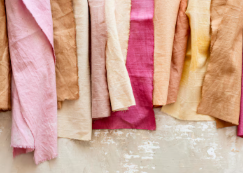
In today’s world, where sustainability and environmental consciousness are becoming increasingly important, choosing the right materials for crafting, sewing, and home décor is more than a matter of style—it’s a matter of ethics and health. One of the most significant shifts in the textile industry is the rising popularity of patterned organic fabric and organic fabric sold by the yard. These materials not only provide an aesthetic appeal but also ensure that you are making a responsible choice for your family, your projects, and the planet.
What Is Organic Fabric?
Organic fabric is made from fibers grown without synthetic chemicals, pesticides, or fertilizers. Unlike conventional cotton or synthetic fabrics, organic fabrics are cultivated in a manner that supports soil health, reduces water contamination, and promotes biodiversity. This means that the products made from these fabrics are safer for your skin, free from harsh chemicals, and environmentally friendly.
Common types of organic fabrics include organic cotton, organic linen, and organic bamboo. Each of these fibers offers unique qualities, from softness and breathability to durability and ease of care. When you choose organic fabric sold by the yard, you have the flexibility to select the exact amount you need for your projects, reducing waste and ensuring precision in your work.
Why Choose Patterned Organic Fabric?
While solid organic fabrics are beautiful and versatile, patterned organic fabric adds an extra layer of creativity and personality to your projects. Whether you’re making quilts, clothing, home décor, or accessories, patterned fabrics allow you to incorporate unique designs, colors, and textures. From florals and geometric patterns to playful motifs and intricate designs, there’s a wide range of options available for every taste and style.
Patterned organic fabrics not only serve an aesthetic purpose but also carry the same health and environmental benefits as unpatterned organic textiles. This means you can enjoy visually appealing designs without compromising on sustainability. Additionally, many patterned organic fabrics are printed using eco-friendly dyes, further minimizing the environmental impact of your creative endeavors.
Benefits of Organic Fabric Sold by the Yard
One of the most convenient ways to purchase organic fabrics is through yards, rather than pre-cut pieces or finished products. Here’s why buying organic fabric sold by the yard is advantageous:
- Customization and Flexibility
Buying by the yard allows you to purchase exactly the amount you need for a specific project. Whether you are sewing a dress, crafting a quilt, or upholstering furniture, you have full control over the length and width of your fabric. - Cost-Effective
Purchasing fabric by the yard often proves more economical, especially for larger projects. You can avoid buying excess material or paying for pre-cut fabric that may not fit your requirements. - Creative Freedom
When you buy organic fabric by the yard, you can mix and match different patterns, textures, and colors to create a truly unique project. This flexibility is particularly useful for quilters, designers, and crafters who want to experiment with combinations and designs. - Sustainability
By purchasing only what you need, you minimize waste. Organic fabrics are already produced with sustainability in mind, and buying by the yard complements this ethos by reducing leftover scraps and unnecessary excess.
Popular Uses for Patterned Organic Fabric
Patterned organic fabrics are versatile and can be used in a wide array of projects. Some popular applications include:
- Clothing: Organic cotton fabrics are soft, breathable, and gentle on the skin, making them ideal for baby clothes, everyday wear, and summer dresses. Patterned designs can transform simple garments into standout pieces.
- Quilting: Quilters often seek out patterned organic fabrics for their vibrant prints and high-quality textures. These fabrics not only add visual interest but also ensure a safe and comfortable product for family members.
- Home Décor: Curtains, cushion covers, table runners, and bed linens made from patterned organic fabrics add a stylish, eco-conscious touch to any living space.
- Accessories: Tote bags, scarves, and other personal items crafted from organic fabric sold by the yard make for durable, fashionable, and environmentally friendly gifts.
Caring for Organic Fabrics
Organic fabrics, including patterned varieties, are generally easy to care for. However, they do benefit from mindful handling to preserve their longevity and vibrancy:
- Washing: Use cold or warm water with gentle, eco-friendly detergents. Avoid harsh chemicals that can damage fibers or fade colors.
- Drying: Air drying is preferred, but low-heat machine drying is usually safe for organic cotton fabrics.
- Ironing: Iron on a medium setting if needed, paying attention to printed patterns to avoid distortion.
By following proper care instructions, your patterned organic fabrics will retain their softness, color, and quality for years.
Where to Buy Patterned Organic Fabric and Organic Fabric Sold by the Yard
Today, many fabric stores, both online and in physical locations, offer an impressive selection of patterned organic fabric and organic fabric sold by the yard. When shopping, it’s essential to look for certifications like GOTS (Global Organic Textile Standard) to ensure that the fabric meets strict environmental and social criteria.
Online marketplaces often provide extensive collections, allowing you to browse by color, pattern, fiber type, and project type. This makes it easy to find the perfect fabric to match your vision. Local craft stores may also carry high-quality organic fabrics, providing the added benefit of seeing and feeling the material before purchase.
The Environmental Impact of Choosing Organic Fabrics
The textile industry is one of the largest contributors to environmental pollution, largely due to synthetic fibers, chemical pesticides, and water-intensive production methods. By choosing patterned organic fabric or organic fabric sold by the yard, you are supporting practices that reduce chemical usage, conserve water, and promote sustainable farming. This choice helps combat soil degradation, water contamination, and the ecological harm associated with traditional textile production.
Supporting Ethical Practices
Beyond environmental considerations, organic fabrics often align with ethical labor practices. Many organic textile producers focus on fair wages, safe working conditions, and community support, ensuring that the positive impact of your purchase extends beyond the material itself.
Conclusion
Choosing patterned organic fabric and organic fabric sold by the yard is a conscious decision that blends creativity, style, and sustainability. These fabrics offer the perfect balance of aesthetic appeal and environmental responsibility, allowing crafters, designers, and DIY enthusiasts to pursue their passions without compromising their values.
From vibrant quilts to custom-made clothing and home décor, patterned organic fabrics provide endless possibilities for personal expression. Meanwhile, buying organic fabric by the yard gives you control, flexibility, and an opportunity to reduce waste—all while supporting eco-friendly and ethical textile practices.
As consumers become increasingly aware of the impact of their choices, the demand for organic fabrics continues to rise. Whether you are an experienced seamstress, a hobbyist, or someone passionate about sustainable living, investing in organic fabrics is an investment in a healthier, more beautiful, and more sustainable future.
Explore the world of patterned organic fabric today and experience the joy of crafting with materials that are as kind to the planet as they are to your creative vision. With organic fabric sold by the yard, every project becomes an opportunity to make a positive impact—one yard at a time.