Steel scaffolding remains a familiar sight on construction sites, industrial facilities, and maintenance projects. Its strength, availability, and ability to support heavy loads make it a popular access solution across many sectors. Yet accidents and inefficiencies continue to occur, not because steel scaffolding is inherently unsafe, but because of repeated mistakes during planning, assembly, and use. On projects involving steel scaffolding for sale finland, these errors often stem from assumptions, time pressure, or overlooked details rather than lack of equipment.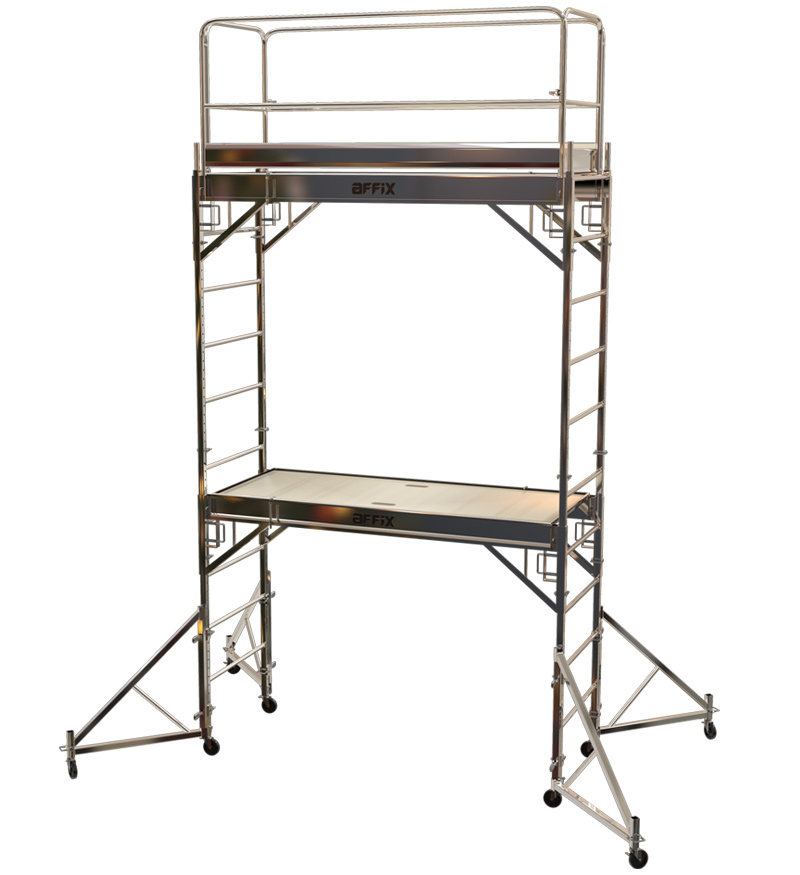
Treating Scaffolding as Temporary Rather Than Critical
One of the most common errors is underestimating the importance of scaffolding simply because it is temporary. Crews may focus heavily on the permanent structure while viewing scaffolding as a short-term necessity that does not demand the same level of attention.
This mindset leads to rushed setup, skipped inspections, and casual alterations on site. In reality, scaffolding becomes a workplace in its own right. Workers spend hours on it, move materials across it, and rely on it for balance and access. Treating it as anything less than critical infrastructure invites risk.
Ignoring Ground and Base Conditions
Steel scaffolding relies on a stable foundation. A frequent mistake is placing base plates or sole boards on uneven, soft, or unprepared ground. Soil that appears firm can shift under load, especially after rain or vibration from nearby machinery.
Poor base preparation leads to gradual settlement rather than immediate failure, making the danger harder to notice. By the time misalignment becomes visible, structural integrity may already be compromised.
Common base-related oversights include:
- Placing standards directly on soil without sole boards
- Failing to level base plates accurately
- Ignoring drainage that softens ground over time
- Building on sloped surfaces without proper adjustment
Each oversight increases the chance of instability as work progresses.
Mixing Incompatible Components
Steel scaffolding systems are designed with specific dimensions, connection methods, and load capacities. Mixing parts from different systems or manufacturers often seems harmless, especially when components appear similar.
This practice undermines structural behavior. Connections may not seat properly, tolerances may differ, and load paths may change unpredictably. Even small mismatches can reduce overall strength and compromise safety.
Consistency in components ensures predictable performance. Using mismatched parts introduces uncertainty that no visual inspection can fully eliminate.
Skipping Proper Tying and Bracing
Ties and braces control lateral movement and distribute loads across the structure. A common mistake is reducing the number of ties to save time or to avoid drilling into finished surfaces.
Untied scaffolding may stand upright initially, giving a false sense of security. As workers move, materials are added, or wind loads increase, the structure begins to sway. This movement not only risks collapse but also affects worker confidence and balance.
Bracing errors often include:
- Missing diagonal braces on long runs
- Removing braces temporarily and not replacing them
- Improperly fixed ties that loosen over time
Each missing element reduces the margin of safety.
Overloading Platforms Without Realizing It
Steel scaffolding can carry significant loads, which sometimes leads crews to assume it can carry unlimited weight. Overloading rarely happens all at once. Instead, materials accumulate gradually as tasks progress.
Pallets of blocks, stacked tools, and multiple workers on one bay can exceed design limits without obvious warning signs. Excess load increases stress on standards and connections, accelerating wear and increasing failure risk.
Load planning must consider not only individual items but also cumulative weight over time.
Improper Plank Installation
Platforms are only as safe as their decking. Incorrectly installed planks remain a frequent issue. Gaps, overhangs, and unsecured boards create trip hazards and instability.
Steel scaffolding decks must sit evenly on supports with proper overlap where required. Boards that are not secured can shift when stepped on, leading to sudden loss of balance.
Mistakes often seen include:
- Using damaged or warped planks
- Allowing excessive gaps between boards
- Failing to secure boards against uplift
- Using planks not rated for the span
Each issue compromises the working surface.
Neglecting Edge Protection
Falls from height remain one of the leading causes of serious injury. Yet guardrails, midrails, and toe boards are sometimes treated as optional, especially on short-duration tasks.
Steel scaffolding without proper edge protection exposes workers to unnecessary risk. Fatigue, distraction, or sudden movement can quickly result in a fall. Toe boards are equally important, preventing tools and materials from falling onto people below.
Removing edge protection temporarily and forgetting to reinstall it is another recurring mistake.
Inadequate Access Planning
Climbing frames or cross braces to access working levels is unsafe, yet still occurs on some sites. Proper access ladders or stair units are sometimes omitted to save time.
Unsafe access increases the risk of slips and falls during ascent and descent, not just during work. Repeated climbs amplify this risk over a shift.
Good access planning ensures:
- Dedicated ladders or stairs for each lift
- Clear entry and exit points
- No need to climb on structural elements
Safe access supports safer work overall.
Poor Inspection and Maintenance Practices
Steel scaffolding is exposed to wear, impact, and environmental effects. Regular inspection is essential, yet inspections are often rushed or skipped once scaffolding is erected.
Damage such as bent standards, cracked welds, or corroded components may not be immediately obvious. Over time, these defects weaken the structure.
Inspection errors include:
- Failing to check components after relocation
- Ignoring early signs of corrosion
- Reusing damaged parts due to schedule pressure
Consistent inspection prevents small issues from becoming serious hazards.
Assuming Steel Is Immune to Corrosion
Steel is strong, but it is not immune to environmental exposure. Moisture, chemicals, and coastal air accelerate corrosion, particularly at joints and base plates.
A common mistake is assuming that visible rust is purely cosmetic. Corrosion reduces cross-sectional area and weakens load-bearing capacity. Over time, this can lead to unexpected failure.
Protective coatings and regular cleaning slow corrosion, but only if maintained properly.
Inadequate Training and Supervision
Even well-designed scaffolding becomes unsafe if assembled incorrectly. Lack of training leads to shortcuts, incorrect assembly sequences, and misunderstanding of load limits.
Supervision plays a key role. Without oversight, unsafe practices can become normalized, especially on busy sites. New workers may copy incorrect methods without realizing the risk.
Clear roles, competent supervision, and ongoing training reduce these errors significantly.
Modifying Scaffolding Without Approval
On active sites, scaffolding often gets modified to accommodate changing tasks. Removing a ledger for access or adding an improvised platform may seem practical at the moment.
Unauthorized modifications alter load paths and compromise stability. Even small changes can have unintended effects, particularly on tall or heavily loaded structures.
Any modification should be planned, assessed, and approved rather than improvised on site.
Ignoring Weather Conditions
Steel scaffolding is exposed to wind, rain, ice, and temperature changes. Weather affects both structural behavior and worker safety.
Common weather-related mistakes include:
- Working on icy platforms without cleaning
- Ignoring wind loads on tall scaffolds
- Leaving loose materials unsecured during storms
Planning for weather conditions reduces risk and prevents damage.
Poor Coordination With Other Trades
Scaffolding often supports multiple trades simultaneously. Without coordination, materials may be placed unpredictably, or components may be removed without informing others.
This lack of communication leads to overloading, missing elements, and unsafe access conditions. Clear rules and communication channels help manage shared use effectively.
Underestimating Dismantling Risks
Dismantling scaffolding carries risks similar to erection. Yet crews often treat dismantling as routine, moving quickly without the same precautions.
Removing ties or braces too early destabilizes the structure. Dropping components from height endangers workers below.
Safe dismantling follows a planned sequence, maintaining stability until the final stages.
Documentation and Record Gaps
Documentation supports accountability and consistency. Missing records of inspections, load calculations, or modifications make it difficult to assess safety status.
When issues arise, lack of documentation complicates investigation and corrective action. Clear records support safer ongoing use.
Cultural Acceptance of Shortcuts
Perhaps the most damaging mistake is cultural rather than technical. When shortcuts become accepted practice, risks multiply. Workers may feel pressured to prioritize speed over safety.
Changing this culture requires leadership, clear expectations, and consistent enforcement. Steel scaffolding performs best when used as intended, not when adapted through habit.
Benefits of Avoiding These Mistakes
Avoiding common errors delivers tangible benefits:
- Fewer accidents and injuries
- Improved worker confidence
- Reduced downtime from incidents
- Longer equipment lifespan
- Stronger compliance with safety standards
These outcomes support both safety and productivity.
Planning as the First Line of Defense
Most scaffolding mistakes originate during planning. Clear assessment of ground conditions, loads, access needs, and environmental factors prevents many issues before erection begins.
Planning transforms scaffolding from a reactive necessity into a controlled system.
Shared Responsibility on Site
Safety is not the responsibility of a single role. Designers, supervisors, and workers all influence how scaffolding is used. Recognizing this shared responsibility reduces blame-driven behavior and encourages proactive correction.
Open communication allows concerns to be addressed early rather than after an incident.
Long-Term Perspective on Steel Scaffolding Use
Steel scaffolding remains a valuable access solution when used correctly. Its strength and versatility support a wide range of tasks. Mistakes arise not from the material itself but from how it is handled.
By focusing on fundamentals—stable foundations, correct components, proper bracing, and consistent inspection—teams unlock the full potential of steel scaffolding safely.
Conclusion
Common mistakes in steel scaffolding use are rarely dramatic at first glance. They develop quietly through assumptions, shortcuts, and overlooked details. Over time, these small errors align into serious hazards.
Avoiding them requires discipline, planning, and respect for scaffolding as a critical work platform. When steel scaffolding is assembled and used with care, it supports safe, efficient, and reliable work at height across a wide range of projects.