The hospitality industry is an ever-evolving sector where the design and architecture of hotels play a pivotal role in shaping guest experiences, brand identity, and operational efficiency. Behind every iconic hotel structure is a visionary team of hotel architects who bring creativity, technical expertise, and innovation to the table. These professionals, often part of renowned architecture firms, are redefining what hotels mean in the modern world, transforming them from mere lodging facilities into immersive, sustainable, and culturally rich experiences.
This guide delves into the innovative approaches adopted by top hotel architects and architecture firms, highlighting key trends and strategies that are revolutionizing hotel design worldwide.
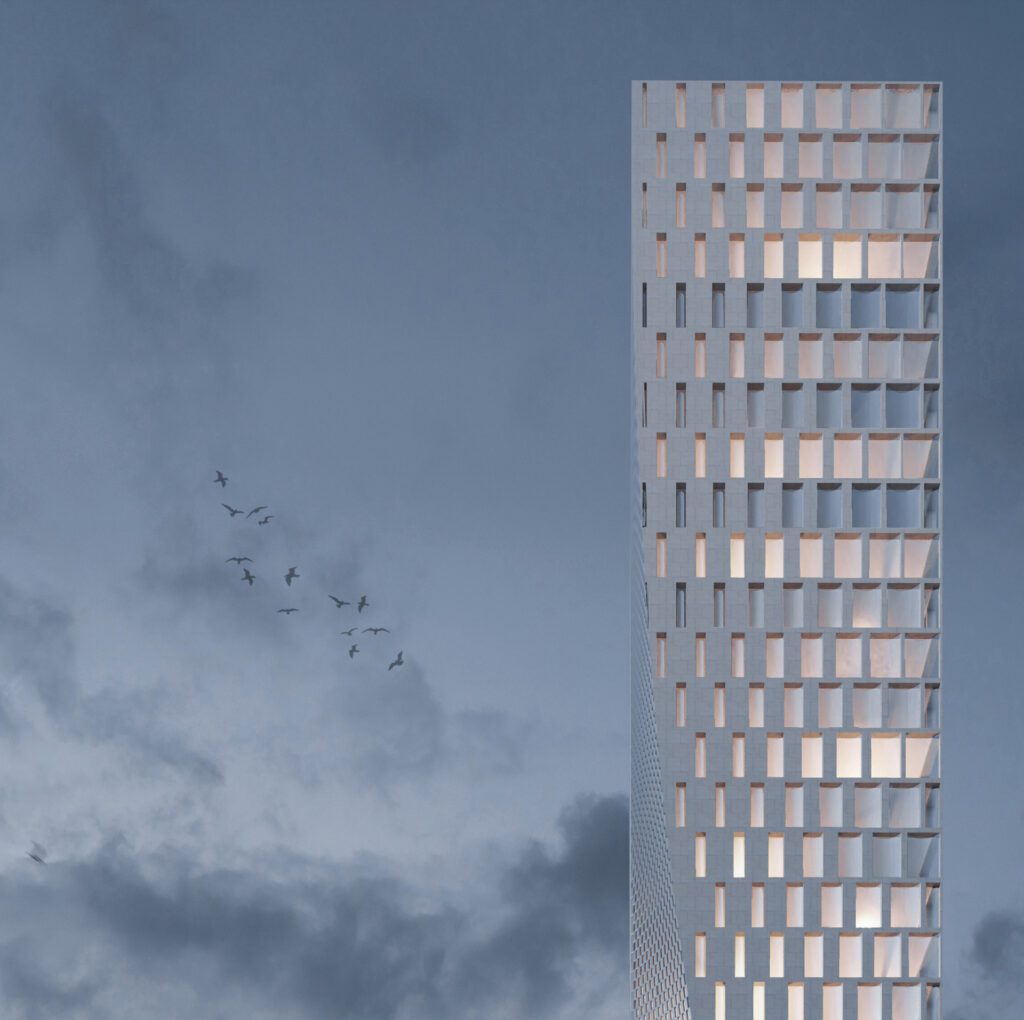
The Evolving Role of Hotel Architects
Traditionally, hotel architects focused on creating functional spaces that accommodated guests comfortably and efficiently. However, the role has evolved significantly over the last decade. Today, these architects serve as visionaries who understand the nuanced needs of travelers, the dynamics of hospitality management, and the imperatives of sustainability and technology.
Modern hotel architecture is not just about rooms and lobbies—it’s about crafting an experience. From integrating nature and local culture into design to leveraging cutting-edge technology and sustainable materials, hotel architects now operate at the intersection of art, science, and business.
Embracing Sustainability in Hotel Architecture
One of the most critical innovations led by architecture firms specializing in hotel projects is sustainability. Eco-conscious travelers increasingly demand hotels that minimize environmental impact without compromising luxury or comfort. Leading hotel architects respond by integrating green design principles that reduce energy consumption, conserve water, and promote the use of renewable resources.
Innovations include solar-powered systems, rainwater harvesting, green roofs, and the use of recycled or locally sourced building materials. Sustainable design elements are often paired with smart building technologies that optimize lighting, heating, and cooling to reduce carbon footprints.
Furthermore, biophilic design—the concept of incorporating natural elements like plants, water, and natural light—is gaining prominence. This approach enhances guest well-being while reinforcing the hotel’s commitment to environmental responsibility.
Technology Integration: Smart Hotels of the Future
The integration of technology is another hallmark of innovation in modern hotel architecture. The best architecture firms collaborate with technology experts to design spaces that support seamless digital connectivity and automation.
Smart hotels now feature automated check-ins, app-based room controls, AI-powered concierge services, and energy-efficient smart lighting and HVAC systems. These advancements not only improve guest convenience but also streamline hotel operations and reduce costs.
Moreover, data-driven design enables hotel architects to tailor spaces according to guest preferences and behaviours. This customization leads to more personalized experiences, setting new standards for hospitality.
Cultural Context and Local Identity
Innovative hotel architects recognize that a hotel’s design must resonate with its location and culture to offer authentic experiences. Instead of generic structures, there is a growing trend towards buildings that reflect local heritage, art, and environment.
This cultural sensitivity involves using traditional materials, honoring regional architectural styles, and engaging local artisans and craftsmen. Such designs create a unique sense of place that appeals to guests seeking immersive travel experiences.
Architecture firms leading this trend often collaborate with historians, artists, and community members to ensure the hotel design is respectful and representative of its context.
Designing for Wellness and Comfort
The wellness trend has also influenced hotel architects to prioritize occupant health and comfort. Modern hotel design incorporates features such as natural ventilation, improved indoor air quality, circadian lighting, and spaces dedicated to relaxation and fitness.
Wellness-oriented architecture not only enhances guest satisfaction but also attracts health-conscious travelers. These design choices are increasingly becoming a competitive advantage in the hospitality industry.
Flexibility and Adaptability in Hotel Spaces
In response to shifting guest needs and operational models, innovative hotel architects design flexible spaces that can adapt to various functions. Modular furniture, movable walls, and multi-use areas allow hotels to accommodate different guest groups, events, or business needs with ease.
This adaptability is particularly important in a post-pandemic world, where social distancing and hybrid work models have changed how spaces are used. Hotels that can quickly reconfigure their interiors stand to benefit from increased occupancy and guest satisfaction.
The Role of Leading Architecture Firms in Driving Innovation
The innovations in hotel architecture discussed above are often the result of visionary leadership from the best architecture firms. These firms invest in research, collaborate across disciplines, and push the boundaries of design to create landmark projects.
Some of the world’s top architecture firms are known for their expertise in hospitality design, combining artistic vision with technical mastery. Their portfolios showcase iconic hotels that set new standards in sustainability, technology integration, cultural expression, and guest experience.
These firms work closely with hotel operators, developers, and local authorities to ensure that every aspect of the design aligns with functional requirements and long-term value creation.
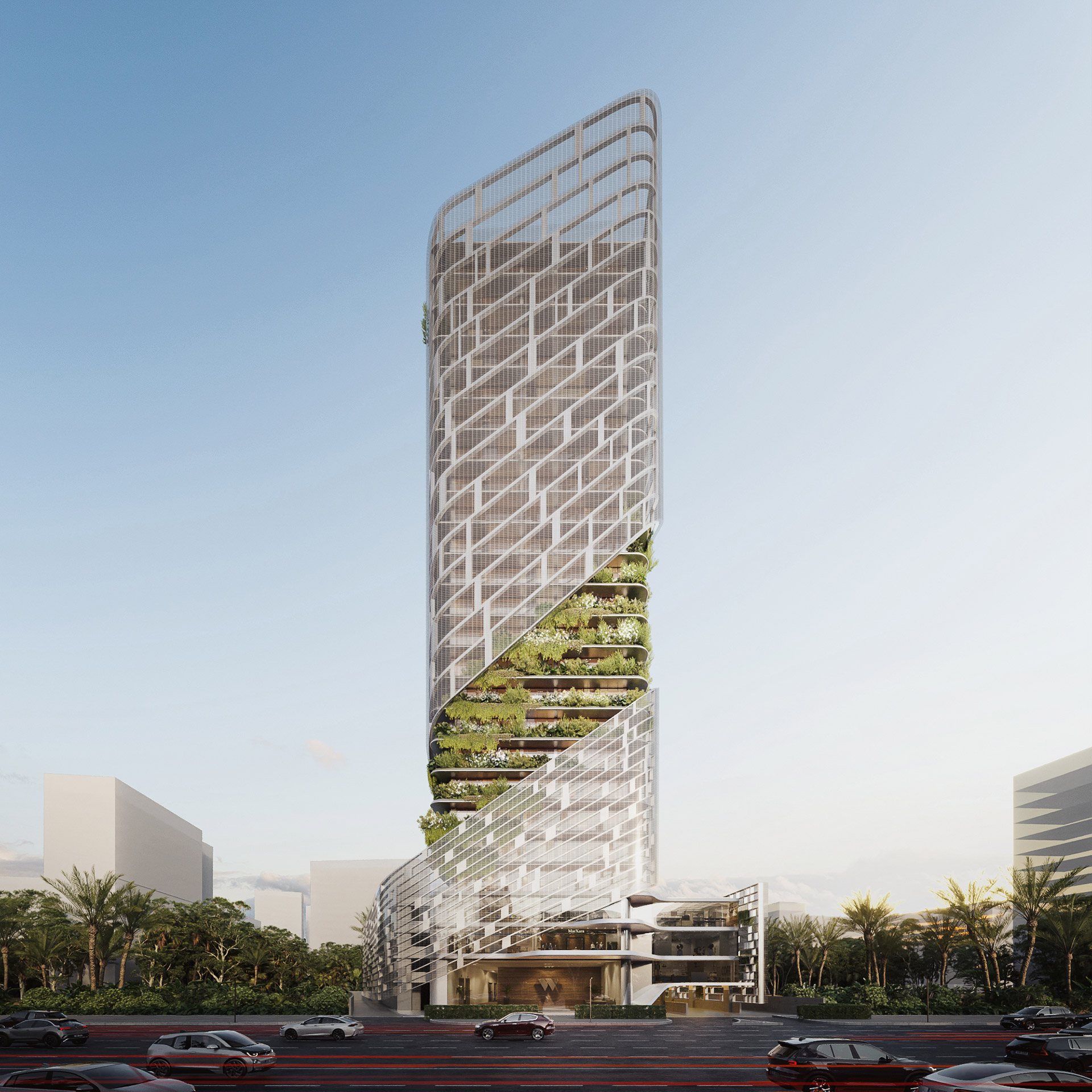
Challenges and Opportunities for Hotel Architects
Despite the many innovations, hotel architects face several challenges in today’s complex environment. Balancing aesthetic appeal with budget constraints, meeting stringent environmental regulations, and addressing diverse stakeholder expectations requires skillful negotiation and creative problem-solving.
However, these challenges also present opportunities. Innovations in materials science, construction techniques, and digital modeling are enabling architects to deliver more efficient and cost-effective designs without sacrificing quality.
Moreover, growing awareness of social responsibility and inclusivity is pushing architecture firms to develop hotels that are accessible, community-oriented, and socially sustainable.
The Future of Hotel Architecture
Looking ahead, the future of hotel architecture promises continued innovation. Emerging technologies like augmented reality (AR) and virtual reality (VR) are set to revolutionize design visualization and guest engagement.
Sustainability will remain a central theme, with hotels aspiring to achieve net-zero energy status and greater circular economy principles. Smart buildings will become smarter, leveraging AI and machine learning to anticipate and fulfill guest needs proactively.
The integration of wellness, cultural storytelling, and flexible design will deepen, making hotels truly transformative spaces that cater holistically to guests and communities.
Conclusion
Innovation in hotel design is a collaborative journey driven by the passion and expertise of visionary hotel architects and leading architecture firms. Their work shapes not just the physical environment but the future of hospitality itself.
Among these trailblazers, ZNera Space stands out for its commitment to pushing the envelope in sustainability, technology integration, and culturally resonant design. With a portfolio that reflects cutting-edge innovation and a deep understanding of hospitality trends, ZNera Space continues to redefine what hotels can be—dynamic, sustainable, and unforgettable experiences for guests worldwide.
As the hospitality sector evolves, the insights and innovations brought by hotel architects and architecture firms like ZNera Space will play an indispensable role in shaping a more sustainable, intelligent, and human-centered future.