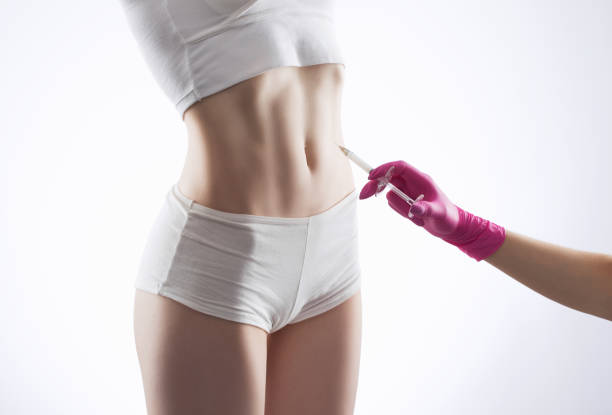
When considering hair removal options, many individuals look into Electrolysis in Abu Dhabi as a reliable solution. This method has gained popularity for its ability to provide permanent hair removal results. But one question often arises: does electrolysis work for all skin types? Understanding how electrolysis interacts with different skin tones and textures can help individuals make informed decisions about their hair removal journey.
Understanding Electrolysis and Its Mechanism
What Is Electrolysis?
Electrolysis is a hair removal technique that employs an electric current to target hair follicles. A tiny needle is inserted into each follicle, delivering an electrical pulse that destroys the hair’s root. This process prevents future hair growth, making it a long-lasting solution.
How Does It Differ from Other Hair Removal Methods?
Unlike methods such as waxing or shaving, which only remove hair from the surface, electrolysis targets the root. It is the only FDA-approved method for permanent hair removal, making it a popular choice for those seeking a definitive solution.
Suitability of Electrolysis for Different Skin Types
Light Skin Tones
Electrolysis is highly effective for individuals with light skin tones. The contrast between the skin and hair color allows the technician to easily identify the hair follicles and target them accurately. This clarity ensures efficient treatment sessions and optimal results.
Medium and Olive Skin Tones
For medium or olive skin tones, electrolysis remains a viable option. Skilled practitioners can adapt their technique to accommodate varying skin sensitivities. Proper technique minimizes any potential discomfort, and the results tend to be excellent when performed by experienced professionals.
Darker Skin Tones
Darker skin tones can present more challenges for some hair removal methods, but electrolysis is often considered safe and effective. Since electrolysis does not rely on pigment differences between skin and hair, it reduces the risk of pigmentation changes that might occur with other treatments like laser hair removal. With careful technique, electrolysis can be successfully performed on darker skin, providing a permanent hair removal solution.
Factors Influencing Effectiveness Across Skin Types
Hair Color and Thickness
Electrolysis is effective regardless of hair color because it targets the hair follicle directly. Thick, coarse hair may require fewer sessions, while finer hair might need additional treatments for complete removal.
Skin Sensitivity
Individuals with sensitive skin, regardless of tone, should seek experienced practitioners who can adjust their approach to minimize any potential discomfort or adverse reactions. Proper technique ensures safety and effectiveness across all skin types.
Practitioner Skill and Experience
The success of electrolysis largely depends on the skill of the technician. Experienced practitioners are adept at customizing treatment to suit individual skin and hair characteristics, ensuring safe and effective results.
Benefits of Electrolysis for All Skin Types
- Permanent results for various skin tones and hair types
- Suitable for small areas and larger zones
- Minimal risk of pigmentation issues when performed correctly
- Can be used on any part of the body, including sensitive areas
Common Concerns and Clarifications
Is Electrolysis Safe for Darker Skin?
Yes, when performed by a skilled technician, electrolysis is safe for darker skin tones. Its method of targeting hair follicles electrically rather than pigment makes it a versatile choice across different skin colors.
Can Electrolysis Be Used on Sensitive Skin?
Absolutely. Electrolysis is suitable for sensitive skin because it involves precise application to individual follicles. Proper technique and experienced practitioners help ensure comfort and safety.
How Many Sessions Are Needed?
The number of sessions varies based on hair density, area size, and individual response. Typically, multiple sessions are required, but the permanent results make it worthwhile for many.
Aftercare Tips for Best Results
Proper aftercare enhances the outcomes of electrolysis treatments. It’s recommended to keep the treated area clean and avoid excessive sun exposure. Moisturizing and following the technician’s advice help maintain healthy skin and optimize results over time.
FAQs About Electrolysis Abu Dhabi
Is electrolysis painful?
Many individuals describe the sensation as a mild tingling or a slight prick. Pain levels can vary based on personal sensitivity and the area being treated. Practitioners often use techniques to minimize discomfort.
How long does each session take?
Session durations depend on the size of the area being treated. Small areas may take just a few minutes, while larger zones could require more time. The technician will provide guidance during the consultation.
Can electrolysis be done on all parts of the body?
Yes, electrolysis is versatile and can be used on almost any part of the body, including eyebrows, facial areas, arms, legs, and bikini zones.
Is electrolysis suitable for people with dark skin?
Yes, with appropriate technique by an experienced practitioner, electrolysis can be safely performed on darker skin tones, making it a flexible option for diverse skin types.
How does electrolysis compare to other hair removal methods?
Electrolysis offers permanent results and is effective across all skin and hair types. Unlike laser treatments, it does not depend on pigment and is less likely to cause pigmentation issues in darker skin.
Final Thoughts
Electrolysis Abu Dhabi is a versatile and effective method suitable for a wide range of skin types. Its ability to deliver permanent hair removal results makes it an appealing choice for many looking for a long-term solution. With proper technique and professional guidance, individuals with various skin tones can enjoy smooth, hair-free skin confidently.
READ MORE : How Effective Is Electrolysis for Stubborn Hair?