Radio Frequency (RF) treatment is a non-invasive aesthetic procedure designed to tighten skin, improve texture, and stimulate collagen production by delivering controlled energy beneath the skin’s surface. With a growing interest in advanced skincare options across diverse populations, many people are asking whether this technology is truly safe for every skin type and tone. In cities like Dubai—where a wide range of ethnicities and complexions thrive—Radio Frequency Treatment in Dubai has become a go-to choice for those seeking effective skin rejuvenation without surgery or significant downtime.
Why RF Technology Is Generally Safe
No Reliance on Skin Pigment
Most lasers and intense pulsed light (IPL) devices target melanin or hemoglobin. Because these chromophores vary widely between skin tones, there can be a higher risk of burns or pigmentation changes, especially in darker skin. RF, by contrast, heats deeper layers without interacting with surface pigments. This makes it inherently safer for a broad spectrum of skin tones.
Non-Ablative and Non-Invasive
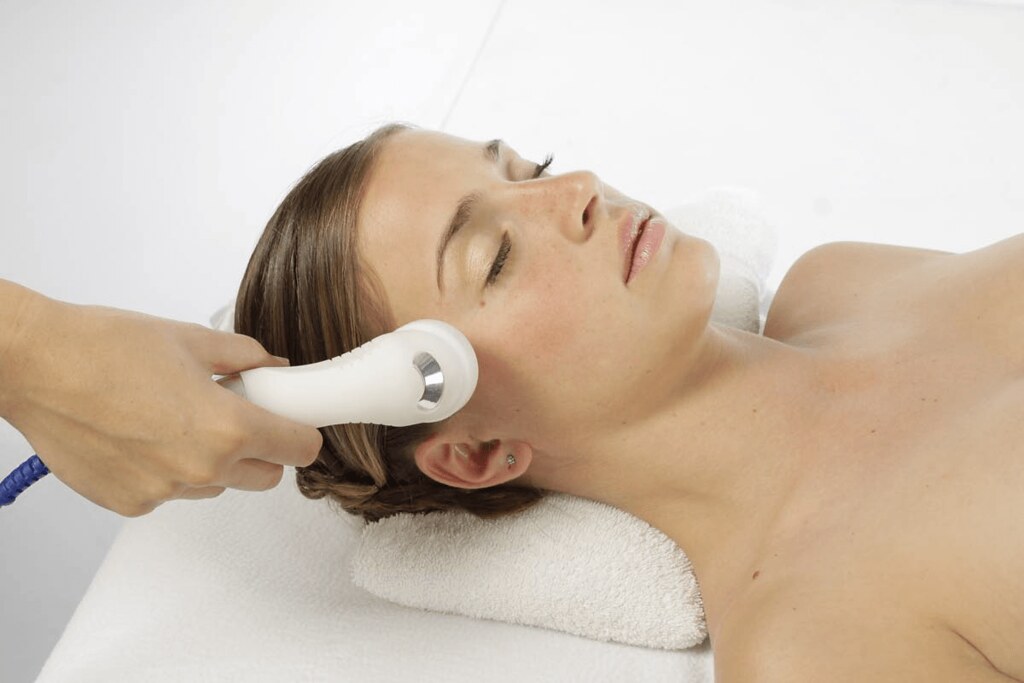
RF treatment does not remove or break the skin surface. There are no incisions, needles, or tissue destruction. The heat is delivered under the epidermis where collagen and elastin fibers respond to controlled thermal stimulation. By preserving the outer skin layer, RF limits surface trauma, reducing the risk of visible side effects.
How RF Works Across Different Skin Types
Sensitive Skin
Sensitive skin tends to react to aggressive treatments with redness or irritation. RF’s gentle thermal effect makes it tolerable for many individuals with delicate skin when settings are appropriately adjusted. Cooling features and temperature monitoring built into modern devices help protect the epidermis and maintain comfort.
Dry or Dehydrated Skin
Dry skin can sometimes feel tight or flakey after energy-based treatments. Because RF does not damage the outer skin, its effects are primarily internal. Post-treatment moisturizing and hydration support recovery and make the experience more comfortable for those with dry skin types.
Oily or Combination Skin
RF treatment focuses on tightening and collagen stimulation and does not target oil production directly. People with oily or combination skin often tolerate RF well, though standard skincare practices—like balancing sebum and hydration—remain important for optimal outcomes.
Mature Skin
As skin ages, collagen and elastin naturally decline, and laxity increases. RF is frequently used to stimulate the body’s repair processes, helping to improve firmness and reduce the appearance of fine lines. Mature skin types generally respond well, though multiple sessions are typically recommended for best results.
Safety Considerations for Darker Skin Tones
Pigment-Independent Energy Delivery
Since RF energy avoids targeting melanin, individuals with darker complexions are not at increased risk of hyperpigmentation or hypopigmentation due to the treatment itself. This makes RF a more inclusive option compared with certain lasers that must be carefully calibrated or avoided in high melanin skin.
Avoiding Excessive Heat
Although RF bypasses pigment concerns, heat monitoring remains crucial. Excessive heat can still lead to irritation or temporary redness regardless of skin tone. Skilled providers adjust settings based on comfort, skin response, and treatment goals to minimize these risks.
Pre-Treatment Assessment Matters
Customized Consultation
Before any RF session, a professional assessment is essential. Skin type, sensitivity, medical history, and aesthetic goals help determine whether RF is appropriate and how the treatment should be customized. Certain conditions—such as active inflammation, open wounds, or specific dermatoses—may require postponing or modifying treatment.
Test Area and Response Monitoring
For those with significant sensitivities or concerns about reactions, a small test area can be used to gauge skin tolerance. Observing the skin’s response allows practitioners to fine-tune settings and build confidence before treating larger or more visible areas.
Post-Treatment Care for All Skin Types
Cooling and Soothing Measures
Following RF treatments, many people experience mild redness or warmth. This typically resolves quickly, especially when cooling gels or calmating products are applied. Hydration and gentle skincare help support recovery.
Sun Protection
Though RF does not directly affect pigment, protecting the skin from sun exposure after any aesthetic treatment remains important. Broad-spectrum sunscreen, protective clothing, and avoidance of direct midday sun help preserve results and protect overall skin health.
Common Side Effects and How Rare They Are
Temporary Redness or Warmth
A mild warming sensation or light redness immediately after RF is common across all skin types. These effects usually fade within hours and are not harmful.
Minimal Swelling or Tingling
Some individuals may experience slight swelling or a tingling sensation, particularly in more sensitive areas. These are typically short-lived and can be managed with proper post-care.
Rare Complications
Serious side effects are uncommon when RF is performed by trained professionals. Burns, scarring, or prolonged pigment changes are rare and usually related to improper settings or poor technique.
Who Might Need Extra Caution?
Active Skin Conditions or Inflammation
Eczema, rosacea flare-ups, or recent sunburn can affect how skin responds to RF treatment. These conditions should be stabilized before proceeding with treatment.
Pregnancy and Certain Medical Conditions
While non-invasive, RF treatments are typically avoided during pregnancy as a precaution. Individuals with implanted electrical devices or certain medical histories should discuss safety with their provider before proceeding.
Seeking the Best Experience
When safety and results matter most, choosing a personalized approach is key. Many people prioritize experienced practitioners and advanced technology when looking for the Best Radio Frequency Treatment Dubai, ensuring comfort, proper energy settings, and effective outcomes tailored to individual skin needs.
Final Thoughts
Radio Frequency treatment is widely considered safe for all skin types and tones when performed by qualified professionals. Its pigment-independent mechanism, adjustable settings, and non-invasive nature make it a versatile option for individuals seeking improved firmness, texture, and collagen stimulation. With proper assessment, customized planning, and attentive aftercare, RF therapy supports healthy, rejuvenated skin across diverse populations without compromising safety or comfort.