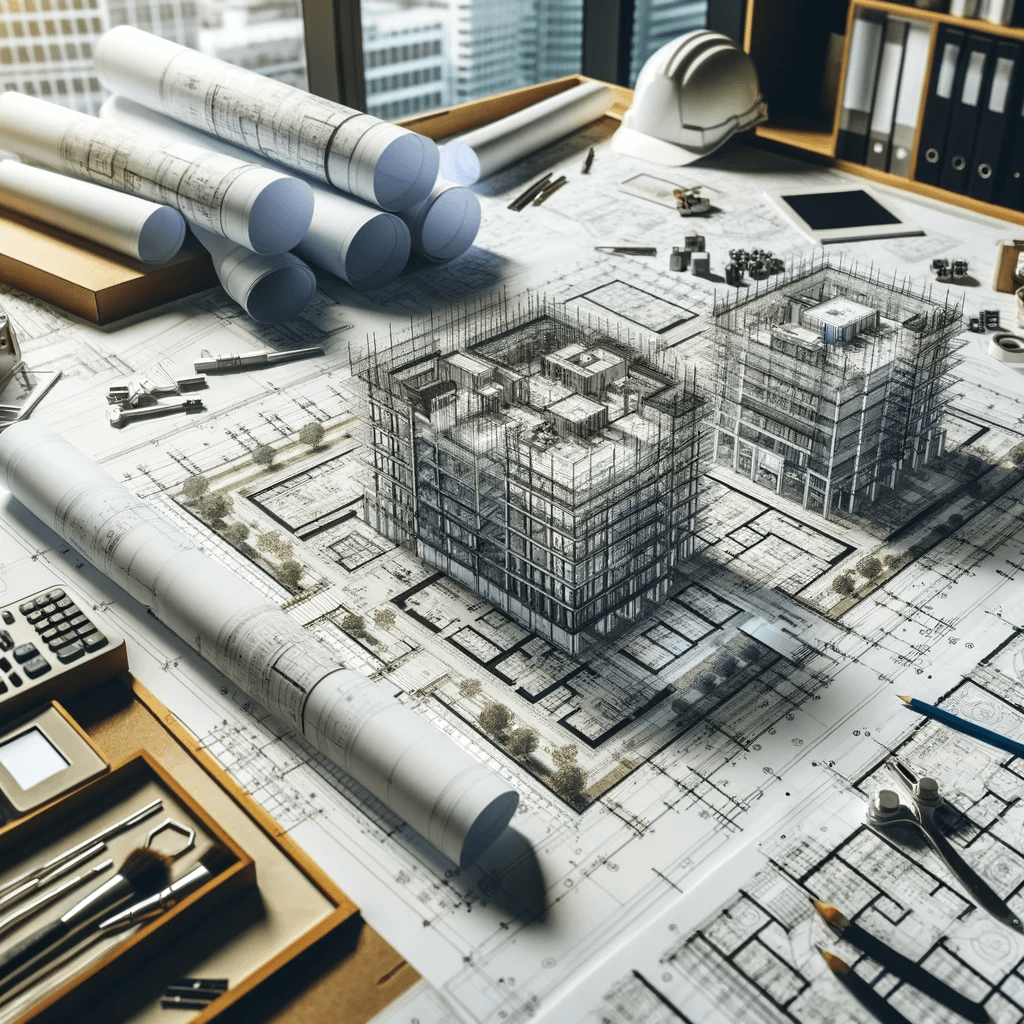
Imagine walking into your office on a Monday morning and noticing employees constantly searching for documents, meeting rooms packed or unavailable, and workstations buried in clutter. Collaboration slows, stress levels rise, and clients seem unsure navigating the space. These common challenges occur when Commercial Design Interiors are not planned with workflow, comfort, and efficiency in mind.
Read the Guest Blog:
Poorly designed spaces don’t just affect the look of an office; they impact the way people work, how customers experience a business, and even the bottom line. Understanding common pitfalls and practical solutions can help business owners, franchise operators, and facility managers create spaces that truly support productivity and well-being.
The Problem
A poorly planned workspace can create bottlenecks and inefficiencies that ripple through daily operations. Offices with awkward layouts make it difficult for employees to communicate or access necessary resources. For example, staff may spend extra minutes tracking down files or navigating crowded hallways instead of focusing on their tasks.
Clinics face similar challenges. Inefficient exam room placement or reception design can increase patient wait times and add unnecessary stress to staff. Restaurants may find that congested dining areas or service paths slow down waitstaff, affecting both employee performance and the customer experience. Retail businesses are not immune either; narrow aisles or poorly positioned checkout counters can frustrate customers and disrupt smooth operations.
Franchise operators face an additional layer of complexity. Inconsistent layouts across multiple locations make training more challenging and create operational inefficiencies. Without careful planning, businesses risk creating environments that feel confusing or uncomfortable for both employees and clients.
Why It Matters
The design of a workspace directly influences productivity and employee well-being. Access to natural light, clear circulation paths, and ergonomic layouts reduce fatigue, enhance focus, and improve overall morale. Thoughtfully planned collaboration spaces encourage teamwork without disrupting concentrated work. Acoustic considerations prevent noise from becoming a distraction, which is especially important in busy offices, clinics, or restaurants.
Clinics with efficient patient flow minimize staff fatigue and create a smoother experience for patients. Offices with strategically placed workstations and meeting areas foster collaboration while allowing private, focused work. Franchise locations benefit from consistent layouts that reduce the learning curve for new employees and maintain a uniform client experience across branches.
Helpful Solutions
- Optimize Workflow and Layout
Start by observing how employees, clients, or patients move through the space. In offices, collaboration zones should be easily accessible, while focused work areas remain undisturbed. Clinics can design exam rooms and reception areas to minimize unnecessary movement. Restaurants should arrange kitchens and dining areas to streamline service during peak hours. Efficient workflows reduce wasted time and improve the day-to-day experience for everyone. - Maximize Natural Light and Visibility
Natural light is one of the simplest ways to boost mood, focus, and overall comfort. Position workstations and seating near windows and use glass partitions to allow daylight to reach deeper into the interior. Reflective surfaces or skylights can also improve illumination, making spaces feel more open and inviting. Even small adjustments in lighting placement can positively impact employee energy and client perception. - Use Appropriate Materials and Acoustic Treatments
Durable, low-maintenance materials increase operational efficiency while maintaining a professional look. Acoustic panels, soft flooring, and textured walls can reduce noise in open offices, restaurants, or clinics. Sound-absorbing solutions are particularly valuable in open-plan environments, where noise distractions can affect concentration and overall well-being. - Standardize Layouts Across Franchise Locations
Franchise operators benefit from modular templates for furniture, storage, and workspace arrangements. Standardized layouts simplify employee training, ensure consistency in client experience, and reduce design decision fatigue. While adjustments may be needed for different locations, maintaining a core design structure ensures operational predictability and efficiency. - Plan Permits and Compliance Early
Early engagement with professionals who handle construction design and permitting, such as Construction Design and Permit Services Winnipeg, helps avoid costly delays. Ensuring renovations meet building codes and inspection requirements from the start keeps projects on schedule and prevents unexpected setbacks. Planning permits early also allows contractors to coordinate work effectively and minimize downtime.
Actionable Takeaways
- Evaluate your current workspace for bottlenecks and inefficiencies.
- Prioritize natural light, circulation, and dedicated collaboration zones.
- Choose materials and acoustic solutions that enhance comfort and reduce distractions.
- Standardize layouts across franchise locations to maintain consistency and operational efficiency.
- Partner with experts in Construction Design and Permit Services Winnipeg to manage compliance, permits, and project timelines.
Conclusion
Well-planned Commercial Design Interiors do more than improve aesthetics; they shape how employees interact with their environment, fostering productivity, comfort, and better client experiences. Even small, practical design changes can have a measurable effect on daily operations. By focusing on workflow, natural light, materials, acoustics, and compliance, businesses can create spaces that support both employees and clients effectively. A thoughtfully designed workspace is not just visually appealing; it’s a foundation for efficiency, satisfaction, and sustainable growth.
5 FAQs
- How do Commercial Design Interiors impact employee productivity?
Thoughtful interior design optimizes workflow, reduces distractions, improves access to resources, and creates comfortable work environments that enhance focus and collaboration. - What role do Construction Design and Permit Services play in office renovations?
These services ensure compliance with building codes, manage permit approvals, and help coordinate construction efficiently, minimizing delays and avoiding costly mistakes. - Can workspace design affect employee well-being?
Yes. Access to natural light, ergonomic layouts, reduced noise, and clear circulation paths all contribute to lower stress levels, improved focus, and overall employee satisfaction. - Why is layout consistency important for franchise locations?
Standardized layouts make training easier, ensure operational efficiency, and provide a predictable, professional experience for clients across multiple locations. - What practical changes can improve workflow and collaboration?
Rearranging workstations, creating clear circulation paths, optimizing storage placement, and positioning collaboration areas effectively all help enhance efficiency and employee engagement.